

Opening a cannabis business usually involves facing some unique challenges along the way. One of the challenges that many business owners face is difficulty insuring their business. Due to the ever-changing legal status of cannabis products, some insurance companies don’t provide insurance to companies that deal with them. Those who are new to the industry may not even realize what types of insurance they need and how proper coverage will protect their operations. If you’re operating a cannabis business, keep reading to learn more about what cannabis insurance is and where you can purchase coverage.
What is cannabis insurance?

Many cannabis businesses often struggle to find a reliable insurance, which is essential for operating any retail business. Cannabis insurance, offered through specialized cannabis insurance brokers, provides professionals in the cannabis industry with a way to obtain the coverage you need for your company. Some coverage options available are cyber liability, equipment breakdown, general liability and excess, operations liability, product recall, professional liability, workers’ compensation, and more. You can work with a broker to determine what coverage options will best protect your cannabis operation or cannabis-related business.
Cannabis insurance is available for a variety of cannabis businesses including cultivators, dispensaries, processors and manufacturers, medical and science organizations, delivery and distribution companies, legal and support entities, properties, and ancillary businesses including CBD brands. Many insurance providers offer the ability to purchase a policy package or select individual coverage policies, giving you flexible options to meet your company’s unique needs.
Is now a good time to get into the cannabis industry?
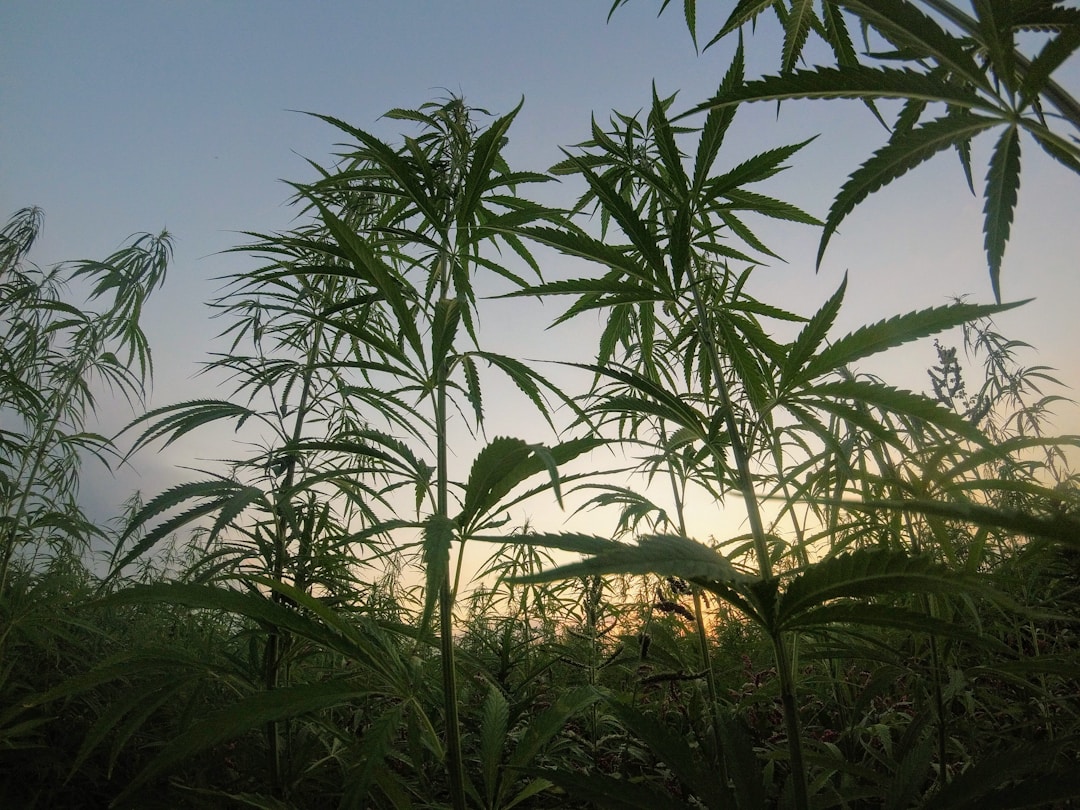
One question many entrepreneurs are asking is if now is a good time to get into the cannabis industry. The answer depends a lot on the local laws in your area, though there are several different types of cannabis businesses. If you want to open a dispensary that sells marijuana products, you’ll need to be in a state where recreational or medicinal use of marijuana is legal. The licensing process for opening a dispensary can also be complicated and expensive, which you should be aware of before you get into the business. That said, there is still a significant amount of money to be made.
Another option for those in states where products that contain tetrahydrocannabinol (THC) are restricted is to sell other cannabis products that don’t contain THC. Cannabidiol (CBD) is the best example of a cannabinoid that is commonly used in a wide variety of products that remains legal on the federal level in the United States. Hemp and hemp plant derivatives like CBD were legalized in the United States through the passage of the 2018 Farm Bill. Since then, the legal market has grown exponentially, with experts projecting it could be worth $20 billion by 2024.
If you’re interested in selling cannabis products, it’s important to remind your customers that they should check with their doctor before using them for the first time. Their doctor can tell them how cannabis is likely to affect their health conditions and interact with any medications they’re currently taking.
There’s a lot to learn about cannabis before getting into the industry, but it can be a profitable venture if you know what you’re doing. One of the most difficult aspects of working in cannabis is understanding the shifting legal landscape. Make sure you’re aware of all the local laws surrounding the possession and sale of cannabis products in your state, especially if your goal is to open a dispensary. Other cannabis products like those containing CBD may be more accessible in many parts of the country. No matter what type of business you have, you’ll be much better off if you invest in trustworthy and reliable cannabis insurance coverage.