

Whether it’s a simple workout at the gym or a daily sports regimen, injuries are common. Interestingly, most injuries result from failing to warm up before engaging in weight training, overuse of our muscles, or excessive strain on our bodies due to overtraining. What’s more, injuries can lead to inflammation, bruises, body strain, lower back pain, and more. Continue reading for more information on the most common injuries, how they can be treated, and how best to prevent them.
What are the most common sports injuries?

All sports injuries range from mild to severe, and let’s first take a look at the varying kinds.
Pulled muscle: This is one of the common gym injuries, which is also termed as muscle strain and typically occurs when a muscle tears from being overstretched. To know whether your muscle is pulled or not, look out for symptoms that include chronic pain, weakness, swelling, or the general inability to use a specific muscle. Muscle strain can occur in your groin, calves, quadriceps, back of the thigh, low back, shoulder, and even the hamstrings.
Achilles tendinitis: You might have come across this word a few times and always wonder what it refers to. Well, the Achilles tendon is a thick cord that connects your heel to the back of your lower calf and its primary aim is to make walking possible for you. In rare cases, this cord can become stiff, inflamed, sometimes swollen, and even tear in the process. When this happens, it’s referred to as an Achilles tendon rupture.
Tendonitis, in general, can affect any of the tissues connecting your bones to muscles. When your exercise routine consists of repetitive movement, it can cause these tissues to swell up and get inflamed, making movement difficult for you. It takes a lot of nursing services to get back on your feet with a workout-related injury like tendinitis.
A torn anterior cruciate ligament (ACL): The ACL refers to the anterior cruciate ligament, which holds the knee joints together. This ligament provides stability while you stand, walk, and even sit in the vent where your ACL tears, which is often a result of you landing the wrong way.
How to prevent sports injuries?
We all know it’s essential to prevent injuries rather than treat them. We’re encouraged to opt for safe sports and activities as much as possible. These include any workout or sport that does not involve constant collisions and tackles. Also, mixing up your exercise program helps take care of your muscles and ligaments. Lastly, using the proper exercise technique goes a long way to keep injuries at bay.
How are injuries treated?
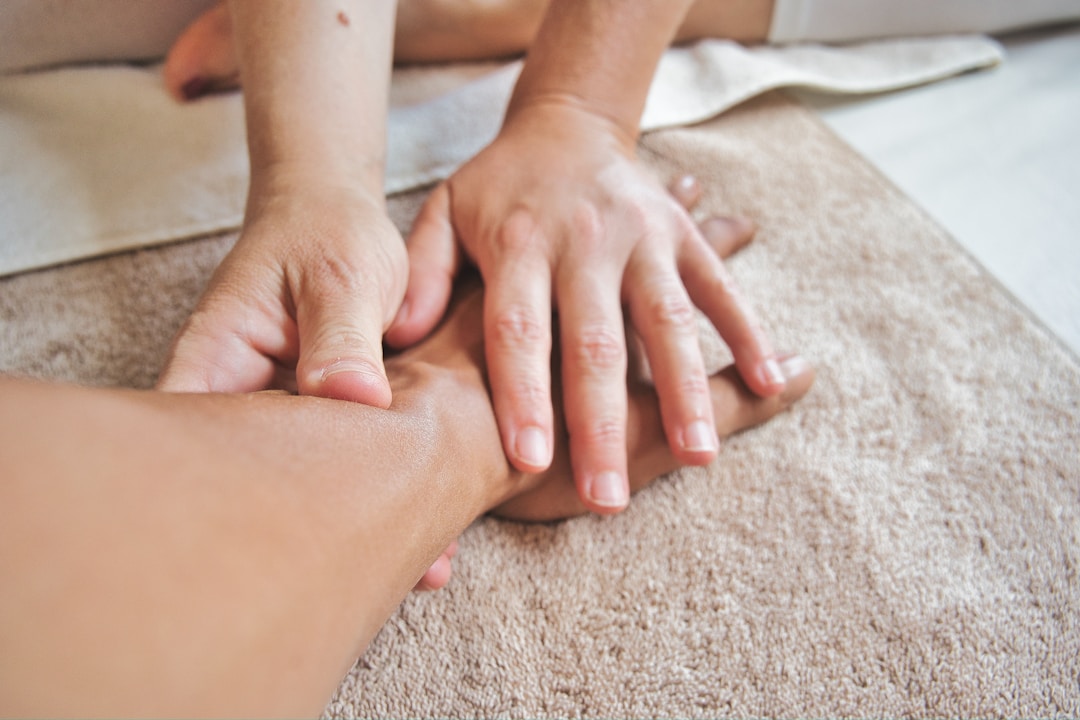
There are varying means by which injuries can be treated. The first, however, must be diagnosed. Diagnosis is often done after a physical exam has been performed. In this exam, you are asked varying questions about your injury, ranging from how it occurred and the symptoms you experienced in extreme cases. You might need various scans including an x-ray, a CT scan, or an MRI for a more vivid picture of what’s happening in your body.
After diagnosis, treatment can begin. If injuries are mild, they can easily be treated at home with weeks of rest and home remedies. Extreme cases might demand the use of a sling, cast, splint, physical therapy, or injections to help with pain and swelling. In more serious cases, surgery may be needed to correct and repair fractures.
Being active in any sport is essential to our overall health. However, we can’t ignore that undertaking these activities can lead to injuries. The best we can do is work hard to prevent injuries and attend to them as soon as they’re experienced.