Relighting a pilot light usually means turning the gas valve to “pilot,” holding down the reset button, and using a long lighter to ignite the small flame at the pilot opening, holding the button for about 30 seconds after it catches. If the pilot light keeps going out after relighting, that is usually a sign of a failing thermocouple, not something wrong with how it was relit.
If your gas stove isn’t lighting, it may be because the pilot light has gone out. Luckily, relighting a pilot light is a relatively easy process. Keep reading to find out how to do it.
What is a pilot light?
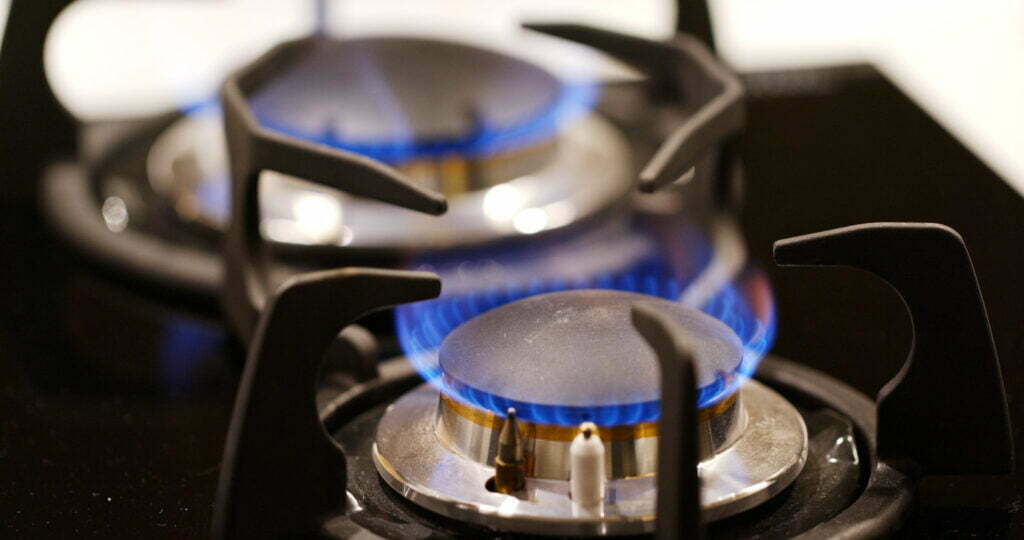
Before we explain why your pilot light keeps going out, it is essential to understand what a pilot light is. A pilot light is a small, continuous flame lit in a gas-fired appliance such as a stove, oven, or water heater to provide ignition for the gas to flow. The pilot light is typically located near the gas valve and is lit with a match or lighter. When the gas valve is turned on, the pilot light will ignite the gas, and the appliance will start functioning.
Pilot lights come in all shapes and sizes, but they all have one common purpose. There are four main types of pilot lights: standing pilots, hot surface igniters, electronic igniters, and piezo igniters. Standing pilots are the most common type of pilot light. They consist of a small flame that is kept burning constantly, and the heat from the flame is used to ignite the gas. Hot surface igniters work by heating a small metal rod until it is hot enough to ignite the gas. Electronic igniters work by igniting the gas with an electric spark. Piezo igniters work by igniting the gas with a small spark from a piezo crystal.
What causes a pilot light to go out?
There can be many reasons why a pilot light goes out. One of the most common reasons is that the pilot light is dirty and needs to be cleaned. If the pilot light is dirty, it can cause the gas not to flow correctly, and the pilot light will go out. Another reason is when the pilot light gets too close to the draft in the flue and blows out. A dirty chimney or furnace can cause this. Another common reason is when the pilot light sensor gets covered with dust or lint. This can happen when the furnace is not used often. In this case, use a pipe cleaner to clear the debris.
Additionally, if the pilot light is not getting enough oxygen and will go out. This can be caused by a clogged pilot light opening or a bad thermocouple.
Why Does My Pilot Light Keep Going Out?
If your pilot light won’t stay lit no matter how many times you relight it, the cause is almost always different from a one-time draft or dirt problem — it’s usually the thermocouple. This is the small copper rod that sits in the pilot flame. Its job is to sense heat from the flame and send a tiny electrical signal that keeps the gas valve open. If the thermocouple is dirty, bent out of position, or worn out, it stops sensing the flame properly and shuts the gas valve even while the pilot is still lit — which looks exactly like the pilot going out on its own, over and over.
Here’s how to tell if a thermocouple is the problem: hold the pilot button down for the full 60 seconds after lighting it (not just a few seconds), then let go slowly. If the flame goes out as soon as you release the button, that’s the clearest sign of a failing thermocouple. A healthy thermocouple heats up fast enough to hold the valve open on its own well within that time.
The fix is usually straightforward: clean the thermocouple tip with fine sandpaper or a cloth to remove soot buildup, and make sure it’s positioned directly in the pilot flame, not off to the side. If cleaning and repositioning don’t fix it, thermocouples are inexpensive (typically $10–$20) and are a common DIY replacement, though if you’re not comfortable working with gas components, a technician can usually swap one in under 30 minutes.
How do you relight a pilot light?
Sometimes, the pilot light in your furnace or boiler will go out. This is not a problem, but it can be annoying. Here are some steps for how to relight the pilot light. First, turn off the gas to your furnace or boiler at the valve on the wall. You need to wait for all the gas to dissipate from the area, and you should be able to smell it if it’s still there. Then, find the pilot light assembly. It will likely be near the burner and have a small tube coming out of it.
Next, use a long match or lighter to enter the pilot light assembly and ignite the gas. Be careful doing this, as there is a lot of gas present, and it can easily ignite if you’re not careful. Hold the button on the assembly until the pilot light stays lit. Once it’s lit, release the button and turn on the gas at the valve on the wall (the same one you turned off in step 1). Your furnace or boiler should now be up and running again. If the pilot light does not stay lit, then there may be an issue with your ventilation system. In this case, you should consult a professional to help solve the problem.