
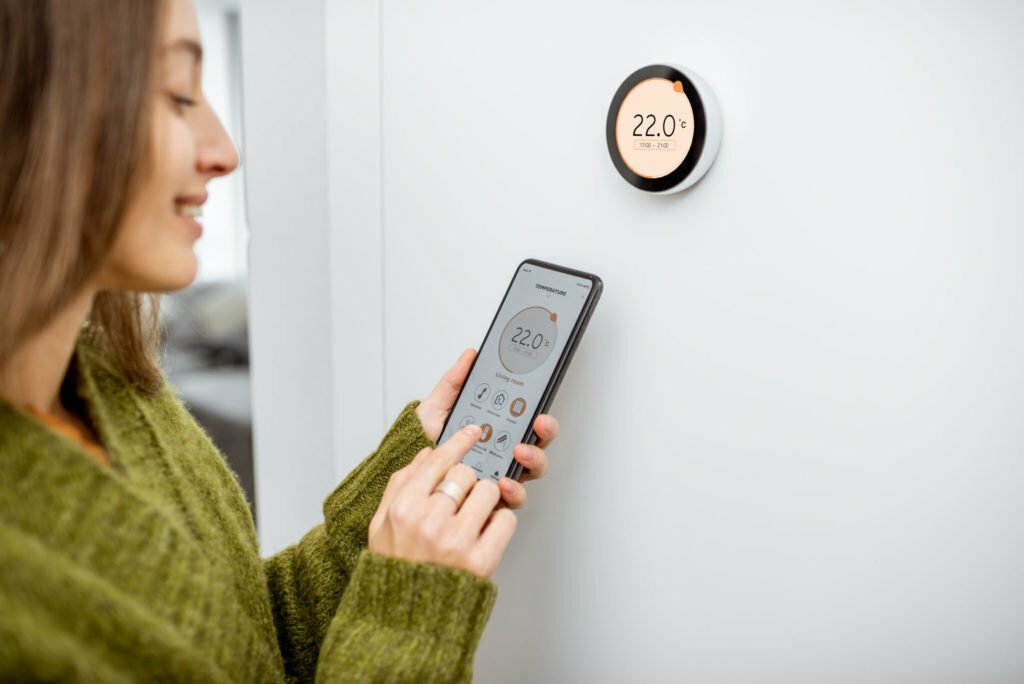
There’s a lot that goes into keeping your HVAC system in good working order, which can be a surprise for those who haven’t had to care for one before. Proper maintenance can go a long way toward preventing breakdowns, but you still may find that your system needs attention occasionally. Temperature sensor malfunctions don’t happen often, but when they do, it’s a good idea to have a technician check over your unit as soon as possible. If you want to know more, read on to find out about some common problems with AC temperature sensors.
What are some common AC temperature sensor problems?
First, it’s important that you understand what a temperature sensor is and what it does. As the name might indicate, the temperature sensor is the component of your system that measures what temperature each room is. The sensors are what assist your air conditioner in regulating the temperature based on the settings on the control panel. When your sensor isn’t functioning properly, it will fail to measure the temperature accurately, which can affect the functioning of your HVAC system.
When your temperature sensor gets knocked loose, which can happen from time to time, you may experience several air conditioner temperature sensor problems. For example, you may find that your air conditioner doesn’t turn off even when your home reaches the set temperature. The extra energy usage can increase your utility bills substantially. Short cycling is another common problem associated with temperature sensors, which is when your system begins turning off and on at random intervals, rather than adjusting based on the temperature you’ve chosen.
If you want to reduce the likelihood that you experience problems with your air conditioner, you should make sure regular maintenance is on your to-do list. You should schedule an appointment to have your system inspected at least once per year. Your air conditioner’s filter needs to be changed at least once every 90 days, but many homeowners prefer to change theirs on a monthly basis so their system will operate at peak efficiency.
How else can you keep your home cool?
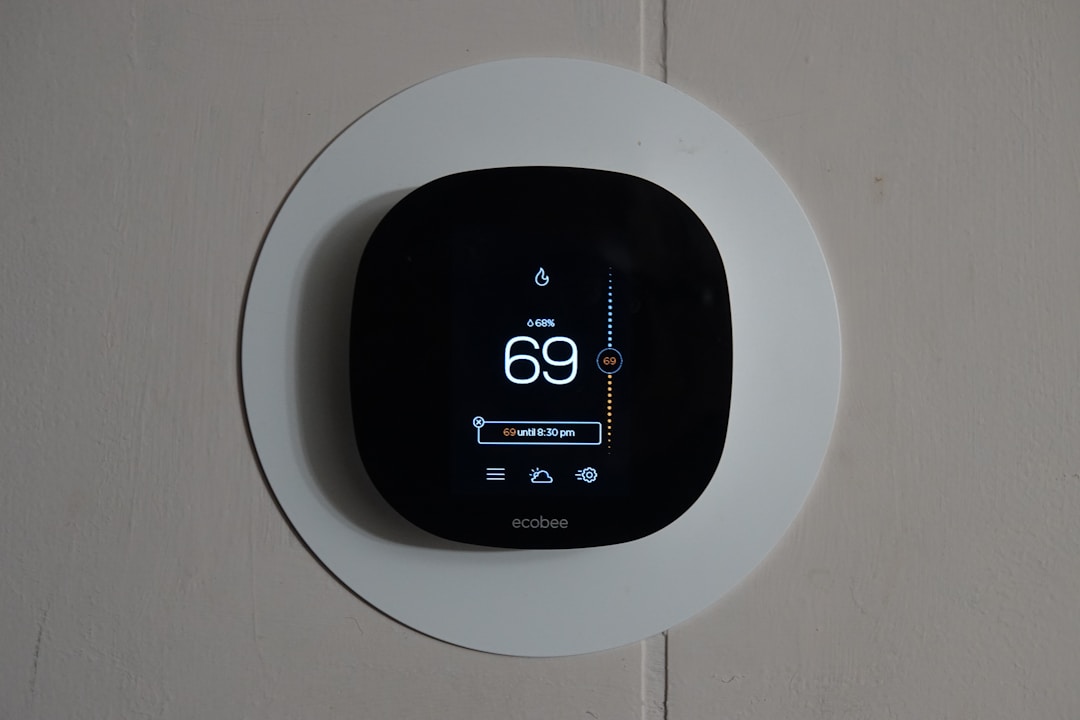
The best way to ensure your home’s indoor climate is comfortable is to upgrade to a smart thermostat. Smart thermostats are programmable and work with home automation, so you can adjust your HVAC system’s settings from your phone, smart speaker, or computer. Many smart thermostats also make use of algorithms that adapt to your schedule and only use the amount of energy necessary to maintain your desired temperature. This can help cut down on your monthly utility bills.
There are also a number of lifestyle adjustments and minor changes you can make to your routine that will help you stay cool when the temperature starts to rise. You can try to avoid the use of appliances like your oven, which can warm up your home significantly. It might seem counterintuitive, but you should also try to keep your windows closed so you won’t let cool air escape and let warm outdoor air in. Low lighting can also be useful, as some bulbs emit both light and heat.
Your air conditioner will play a major role in keeping your home comfortable, especially when the temperature starts to climb. That’s why it’s essential that you’re proactive about regular maintenance and address any problems quickly and immediately. A smart thermostat can help make your HVAC system even more effective while also giving you more control over your indoor climate. It’s also worthwhile to make some lifestyle adjustments, like cooking less often or keeping the windows closed, to minimize the amount of energy your system needs to use to keep your home cool.