Embarking on a fly fishing trip is an exhilarating experience that combines the thrill of the catch with the serenity of nature. This type of fishing, steeped in tradition and skill, offers a unique challenge and immense satisfaction. Planning your fly fishing adventure requires careful consideration of several key factors to ensure a memorable and successful outing. From selecting the right gear to choosing the perfect location, every detail matters. This guide aims to provide comprehensive insights into organizing an unforgettable fly fishing trip.
Essential Gear for Your Fly Fishing Trip
When it comes to fly fishing, the right gear is paramount. Your rod, reel, line, and flies must be suited to the type of fish you’re aiming to catch and the conditions you’ll face. An often overlooked yet essential component is the variety of flies you bring along. Incorporating fly tying foam cylinders into your kit can be a game-changer. These lightweight, buoyant materials allow for the creation of lifelike and effective fly patterns that can significantly enhance your chances of attracting fish. Additionally, selecting a comfortable, waterproof wader and a durable vest to hold your gear will keep you dry and organized throughout your trip.
Equally important is the maintenance of your equipment. Regularly check your gear for signs of wear and tear, ensuring everything is in top condition before you set out. This includes inspecting your fly line for damage, ensuring your reels are clean and functioning smoothly, and verifying that your boat covers for center console are intact and properly fitted. Protecting your boat from the elements with a high-quality cover not only prolongs its life but also ensures that you’re ready to hit the water without any hitches.
Selecting the Perfect Location
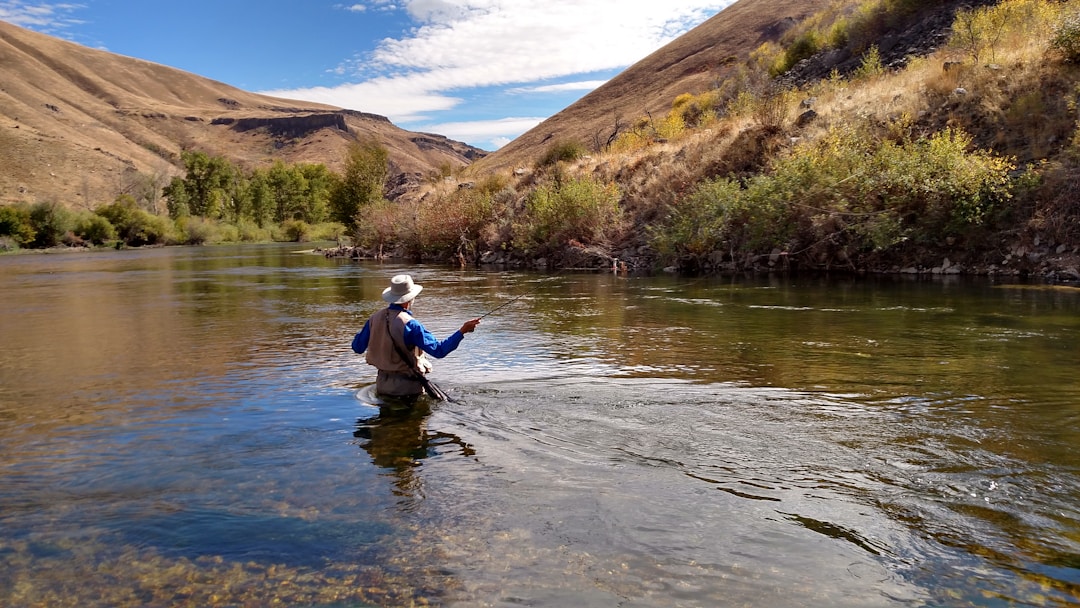
The choice of location can make or break your fly fishing trip. Researching and selecting a destination that matches your skill level and interests is crucial. Consider factors such as the type of fish you wish to catch, the season, and the environment. Streams, rivers, lakes, and coastal areas offer different challenges and rewards. Moreover, understanding the local regulations and obtaining the necessary fishing permits in advance is essential to ensure a smooth experience.
Access to your chosen fishing spots is another critical consideration. Whether you’re hiking to remote streams or using a boat to explore larger bodies of water, planning your routes and transportation is key. This includes considering the logistics of transporting your equipment, especially if you’re traveling by air or have a significant distance to cover from your accommodation to your fishing location.
Timing Your Trip
Timing is everything in fly fishing. The season, weather, and time of day can significantly impact fish activity and behavior. Spring and fall are often considered the best times for fly fishing, as fish are more active due to fish spawning activities. However, the ideal timing can vary depending on the location and species you’re targeting.
Monitoring weather conditions is also crucial, as changes in weather can influence water conditions and fish behavior. Early mornings and late afternoons are typically the most productive times of day for fly fishing. Planning your fishing sessions around these times can increase your chances of success.
Preparing for the Outdoors
Fly fishing often takes you into the heart of nature, where preparation is key to enjoying your trip safely and comfortably. Packing the right clothing and personal items will protect you from the elements and ensure that you’re prepared for any situation. This includes layering for changing temperatures, bringing rain gear, and wearing a hat and sunglasses for protection against the sun.
In addition to personal gear, preparing for the unexpected with a well-stocked first aid kit, plenty of water, and snacks is essential. Familiarizing yourself with the area and understanding potential hazards, such as wildlife or tricky currents, will help you navigate your surroundings safely.
Conclusion: Casting Towards Success
Planning a successful fly fishing trip is an art that combines attention to detail with a passion for the outdoors. By selecting the right gear, choosing an ideal location, timing your trip perfectly, and preparing for the outdoors, you can set the stage for a memorable experience. Remember, the essence of fly fishing lies not just in the catch but in the connection with nature and the joy of the pursuit. With careful planning and a spirit of adventure, your fly fishing trip can be an enriching journey that feeds your soul and ignites your passion for this timeless sport.